The Real Cost Behind a Residential AC Replacement
Every spring, I start getting the same question:
“Why does replacing an air conditioner cost so much?”
It’s a fair question. A condenser sits outside. A coil sits inside. It doesn’t look complicated. And yet the numbers often land somewhere between $6,000 and $9,000 for a standard residential replacement in the Denver metro area.
So where does that money actually go?
Let’s walk through it clearly.
First: What Does a Typical Replacement Cost?
For a straightforward 3-ton, 14 SEER air conditioner replacement in Denver, you’ll generally see pricing in the range of:
$5,500 – $7,500
That assumes:
- Standard accessibility
- No major duct modifications
- No electrical panel upgrades
- Proper permits and inspections
- Licensed, insured installation
If you see numbers well above or below that range, there’s usually a reason.
But before we talk about outliers, let’s look at what makes up the cost.
It’s Not Just “The Box Outside”
When someone replaces an AC system properly, you’re not just buying equipment. You’re paying for:
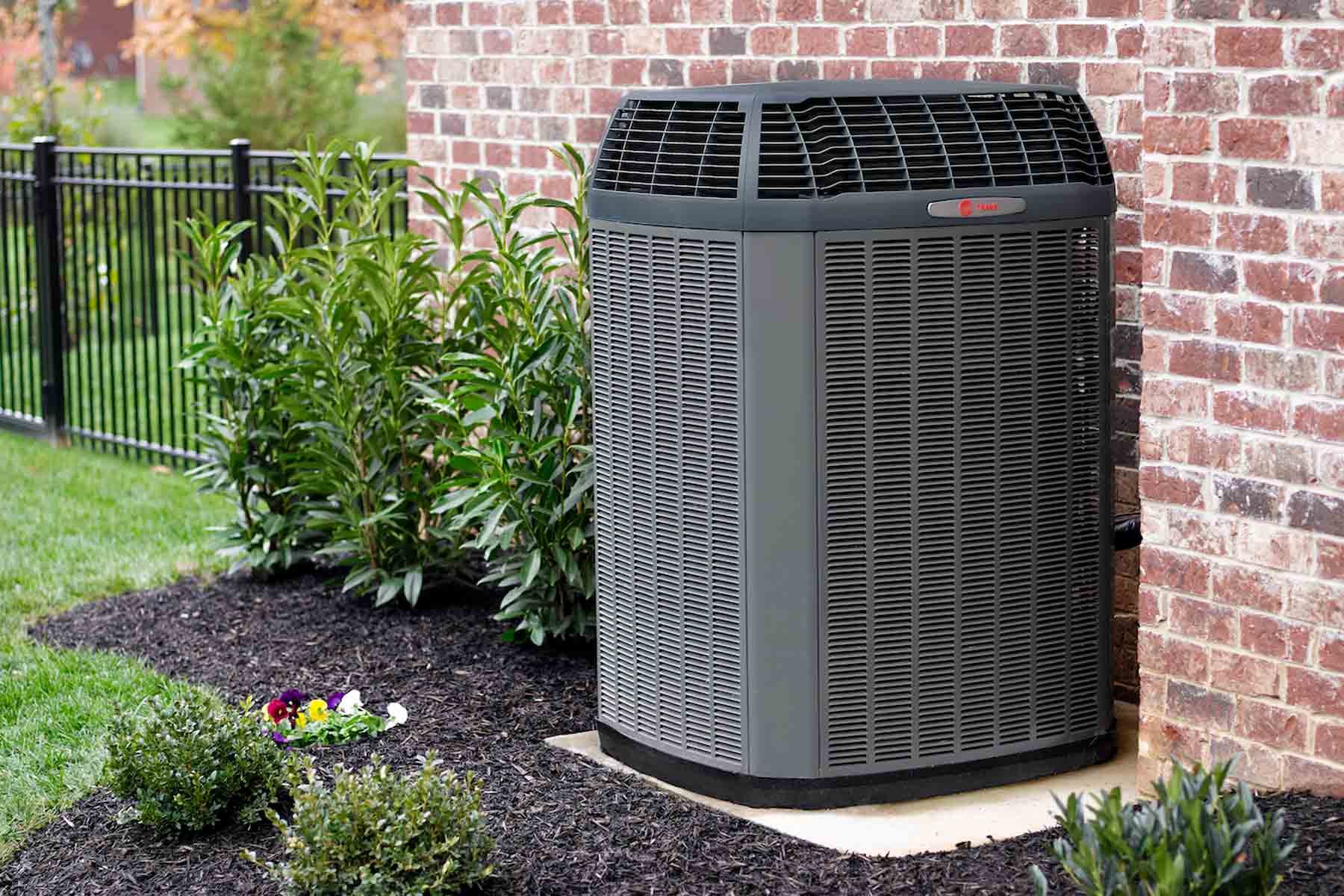
- Outdoor condenser
- Indoor evaporator coil
- Refrigerant
- Sheet metal transitions
- Electrical components
- Disconnect and whip
- Pad or mounting hardware
- Brazing materials
- Nitrogen pressure testing
- Proper evacuation to 500 microns
- System charging and commissioning
- Thermostat adjustments
- Permits and inspections
- Disposal of old equipment
That’s just the physical side.
Now let’s talk about what most homeowners don’t see.
The Overhead That Keeps a Company Alive
A legitimate HVAC company has real operating expenses:
- Licensed technicians
- Ongoing training
- Workers’ compensation insurance
- General liability insurance
- Commercial auto insurance
- Fuel
- Trucks and maintenance
- Office staff
- Phones and dispatch systems
- Software and licensing
- Warranty reserves
- Payroll taxes
- Tools and equipment
When a company installs your system, they aren’t just covering that day’s labor. They’re covering the cost of being around next year if something needs attention.
That overhead isn’t greed. It’s stability.
If a company prices too low to cover those expenses, they either:
- Cut corners
- Rush install
- Don’t carry proper insurance
- Don’t stay in business long
There really aren’t free lunches in mechanical work.
Why Some Estimates Are Much Higher
On the other side, you may see estimates well above $8,000 for that same 14 SEER system.
That can reflect:
- Large marketing budgets
- Commission-based sales teams
- Extended labor warranties built into price
- Financing costs built into margins
- Bigger company overhead
Again, that doesn’t automatically make them wrong. It just means you’re paying for a different business model.
What You’re Really Paying For
When you pay a fair-market price for an AC replacement, you’re buying:
- Proper installation
- Code compliance
- Accountability
- Warranty support
- Long-term system performance
Installation quality matters more than brand name in many cases.
A perfectly good system installed poorly will underperform and fail early.
A properly installed mid-range system can run quietly and efficiently for years.
The Hidden Cost of “Cheap”
If you see a quote that’s dramatically below the normal Denver range, it’s worth asking:
- Is the company licensed in your municipality?
- Are they insured?
- Are they replacing the coil?
- Are they pulling a vacuum properly?
- Who covers labor if something fails?
When the price is unusually low, the cost often shows up later in:
- Refrigerant leaks
- Efficiency loss
- Airflow problems
- Warranty disputes
- Shortened equipment life
Most homeowners don’t regret paying a fair price.
They often regret paying an unrealistically low or ridiculously high price.
Why It Feels Expensive
There’s also a psychological factor.
Air conditioning is:
- Invisible when working
- Critical when not
- Used seasonally
- Expected to last 12–15 years
So when replacement time comes, it feels sudden — even though the system has quietly been working for over a decade.
Spread over 15 years, a $6,500 replacement works out to roughly:
$433 per year
Or about $36 per month
That doesn’t make it small money — but it puts it into perspective.
Final Thoughts
A residential AC replacement isn’t cheap. It’s also not randomly priced.
In the Denver metro area, there’s a fairly consistent range where responsible companies tend to land. Below that range often means risk. Far above it means you’re funding a different business structure.
The goal isn’t to choose the cheapest or the most expensive.
It’s to understand what you’re paying for — and make a decision you’re comfortable with.
Because at the end of the day, you’re not just buying an air conditioner.
You’re buying reliability, workmanship, and the confidence that when summer hits, your system will simply do its job.
Premier Mechanical – www.claimyourcomfort.com – 720.207.6812.