
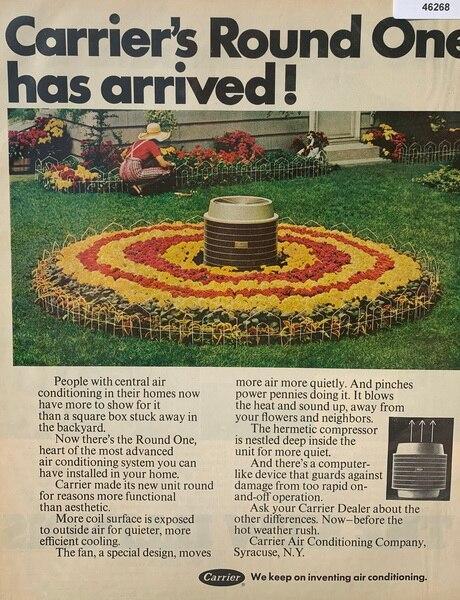
Was Replacing an AC Really Cheaper 50 Years Ago?
It’s common to hear:
“Air conditioners used to be affordable. Now they’re outrageous.”
On the surface, that feels true. A quick glance at 1970s pricing makes modern replacement costs look dramatically higher.
But raw dollar comparisons can be misleading.
Let’s step back and look at this the right way.
Step One: What Did People Actually Pay Back Then?
In the mid-1970s, installing or replacing a central air conditioning system in a typical home generally cost somewhere between:
$1,200 and $2,000
That was the installed price — equipment and labor.
Systems at that time were:
- Lower efficiency (roughly 6–8 SEER equivalent)
- Mechanically controlled
- Simpler electrically
- Installed under looser code requirements
- Less regulated environmentally
So yes — the price tag looked much smaller.
But we need to adjust for one important thing.
Step Two: Convert 1975 Dollars to Today’s Dollars
Money in 1975 did not have the same buying power it has today.
Using long-term inflation data, $1 in 1975 equals roughly $5.50–$6.00 today. To keep things simple, we’ll use 5.6× as a reasonable multiplier.
Now let’s do the math:
- $1,200 × 5.6 = $6,720
- $2,000 × 5.6 = $11,200
So when you adjust for inflation, that 1975 AC replacement would cost roughly:
$6,700 to $11,200 in today’s dollars
That reframes things a bit.
Step Three: What Does Replacement Cost Today?
In the Denver metro area, replacing a standard 3-ton, 14 SEER air conditioning system today generally falls between:
$5,500 and $7,500
That includes:
- New condenser
- New indoor coil
- Refrigerant
- Proper commissioning
- Licensed and insured labor
When you compare those modern numbers to inflation-adjusted 1975 pricing, today’s replacement cost is actually very similar — and in many cases lower than the high end of historical pricing.
What Changed Over 50 Years?
Even though the inflation-adjusted numbers line up surprisingly well, the systems themselves are very different.
1. Efficiency
A 1975 system might have been half as efficient as today’s minimum standard equipment. Modern systems cool the same home while using far less electricity.
2. Regulation
Environmental standards, refrigerant handling rules, and efficiency mandates didn’t exist in the same way they do now.
3. Installation Standards
Today’s best practices include:
- Nitrogen purging
- Deep vacuum evacuation
- Verified refrigerant charging
- Airflow measurement
- Licensing
Those procedures weren’t consistently required 50 years ago.
4. Business Costs
Insurance, labor, licensing, fuel, and compliance costs are significantly higher today than in the 1970s.
A modern HVAC company operates in a much more structured environment.
A Different Way to Look at It
Instead of asking:
“Why does AC cost so much now?”
A more accurate question might be:
“Why didn’t it seem expensive in 1975?”
Because in inflation-adjusted dollars, it was.
It just didn’t feel that way at the time.
The Big Takeaway
Here’s the simple comparison:
1975 price (raw dollars):
$1,200 – $2,000
1975 price (adjusted to today):
$6,700 – $11,200
Typical Denver replacement today:
$5,500 – $7,500
Once you account for inflation, modern AC replacement pricing is not dramatically out of line with historical costs — and today’s systems are more efficient, more regulated, and more precisely installed.
That doesn’t make replacement inexpensive.
But it does put the numbers into perspective.
Premier Mechanical – www.claimyourcomfort.com – 720.207.6812.