

AC Condensate Reuse: How to Water Your Plants and Save Water
Many homeowners overlook a simple fact: air conditioners produce water. That water doesn’t have to go down the drain. With AC condensate reuse, you can collect it and use it to water potted plants safely and efficiently.
In this article, we’ll show how much water a 3-ton AC produces, how to calculate it, and which plants thrive on condensate water.
What Is AC Condensate Reuse?
AC condensate reuse is the practice of capturing the water that naturally forms on your air conditioner’s evaporator coil and repurposing it — usually for watering plants or irrigation.
When your AC runs, warm indoor air passes over cold evaporator coils. Moisture condenses on the coil and drains out. Normally, it’s discarded as waste, but it’s actually clean, soft water.
How Much Water Can You Expect From a 3-Ton AC?
Let’s do the math.
A typical residential air conditioner removes 0.8–1.2 gallons of water per hour per ton under moderate humidity:
3-ton system:
- Low estimate: 3 × 0.8 = 2.4 gallons/hour
- High estimate: 3 × 1.2 = 3.6 gallons/hour
Assume 8 hours of runtime per day:
- Low: 2.4 × 8 = 19.2 gallons/day
- High: 3.6 × 8 = 28.8 gallons/day
Realistic daily range: 15–30 gallons/day.
Even capturing half of this can water 25–50 potted plants daily.
How to Collect AC Condensate for Reuse
To reuse condensate safely:
- Clean the drain line to prevent algae or debris.
- Route water to a covered container with a mesh screen.
- Avoid storing water too long (mosquito risk).
- Use a watering can or small pump to distribute to plants.
No filtration is needed for ornamental plants — the water is already soft and low in minerals.
Is AC Condensate Safe for Plants?
Condensate water is essentially distilled:
- Low mineral content
- No chlorine
- Slightly acidic (pH 5.5–6.5)
It’s perfect for plants sensitive to hard water, but it lacks nutrients. Fertilizer is still required.
Best Plants for AC Condensate Reuse
Plants that thrive on AC condensate water usually prefer soft water and slightly acidic soil:
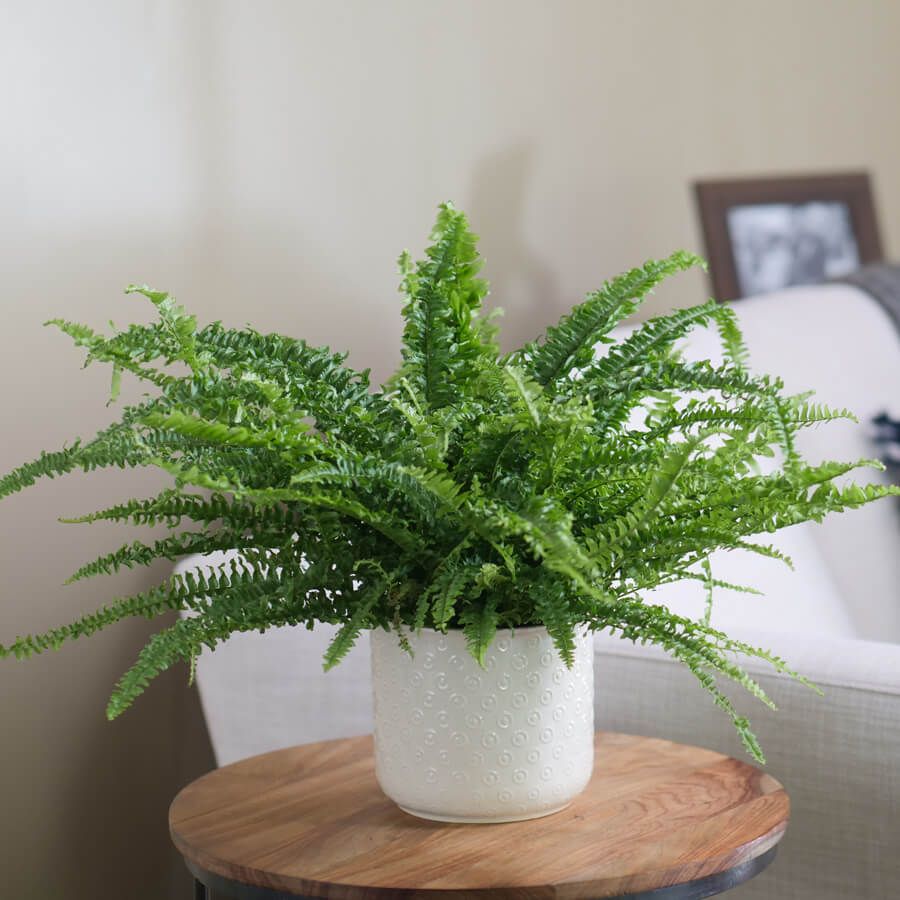
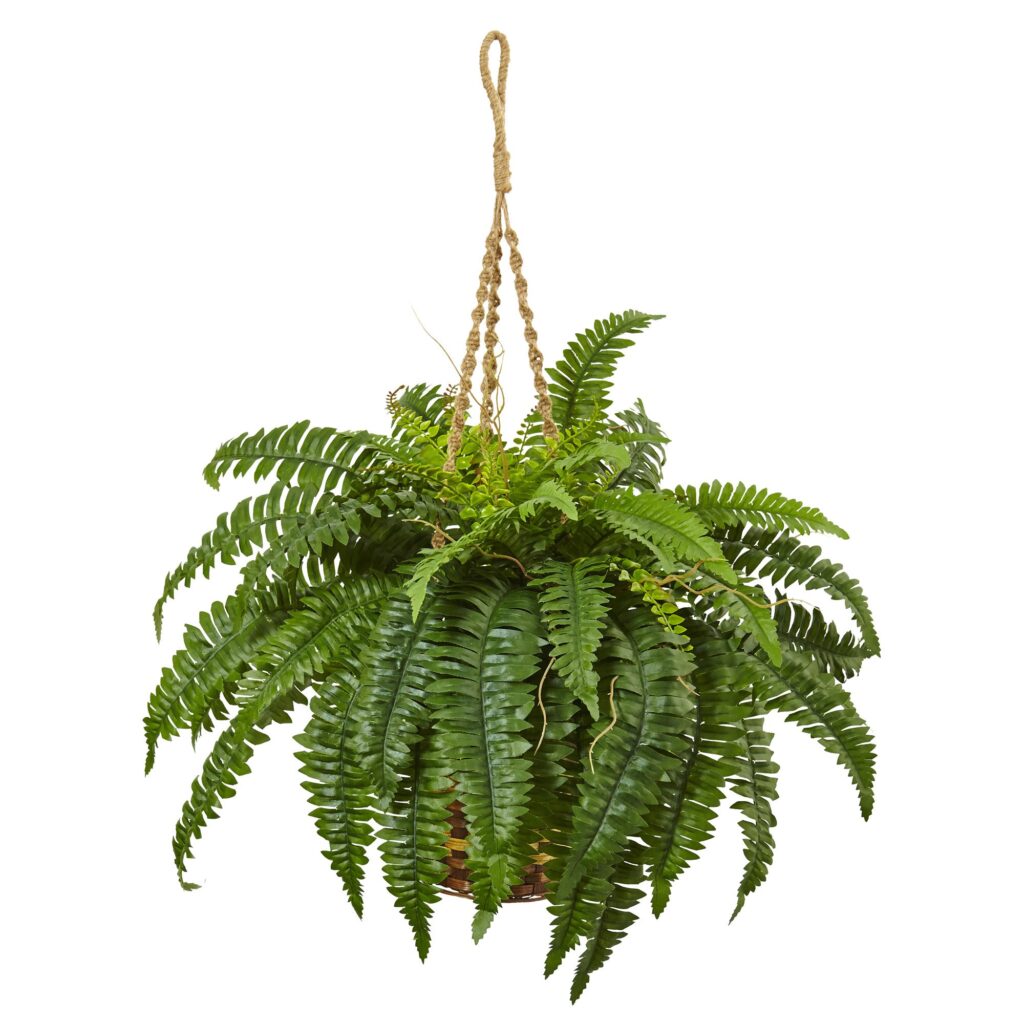
Boston fern – Needs consistent moisture, does well with soft water.

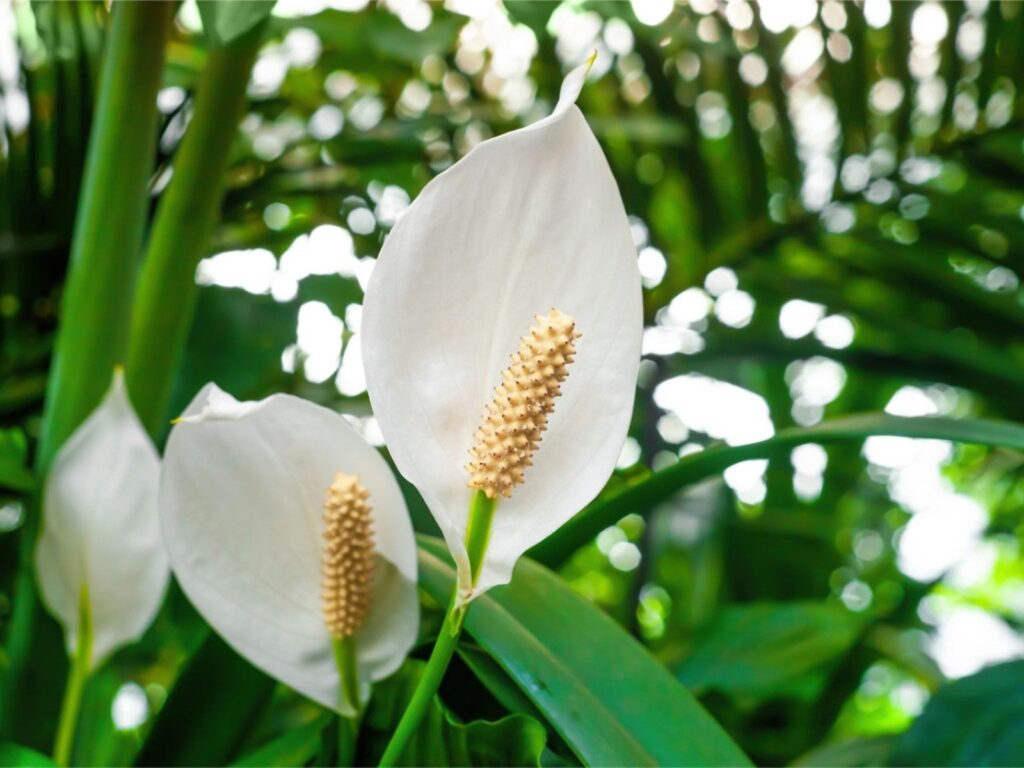
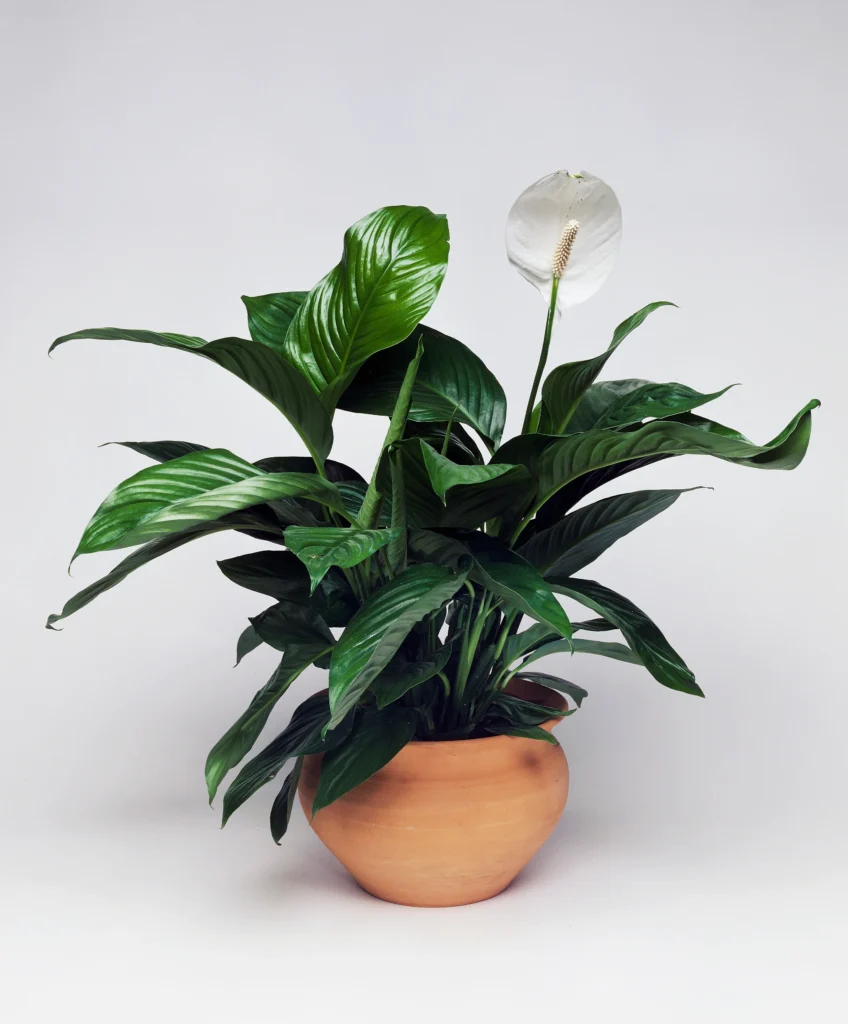
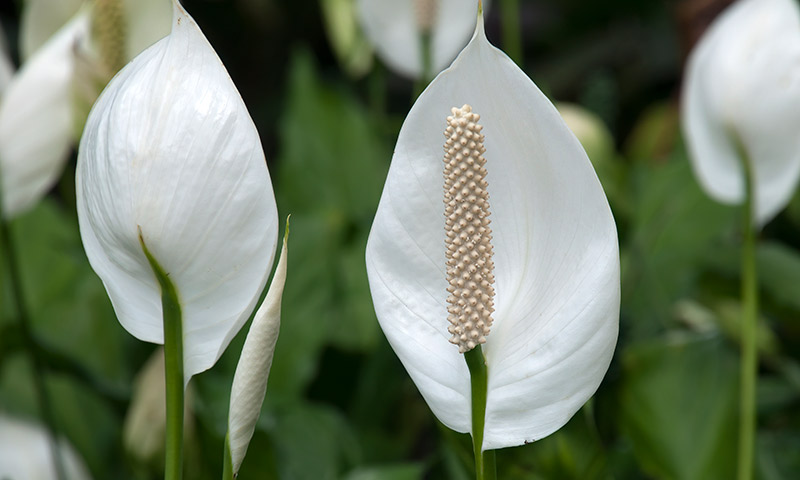
Peace lily – Sensitive to minerals, ideal for condensate.
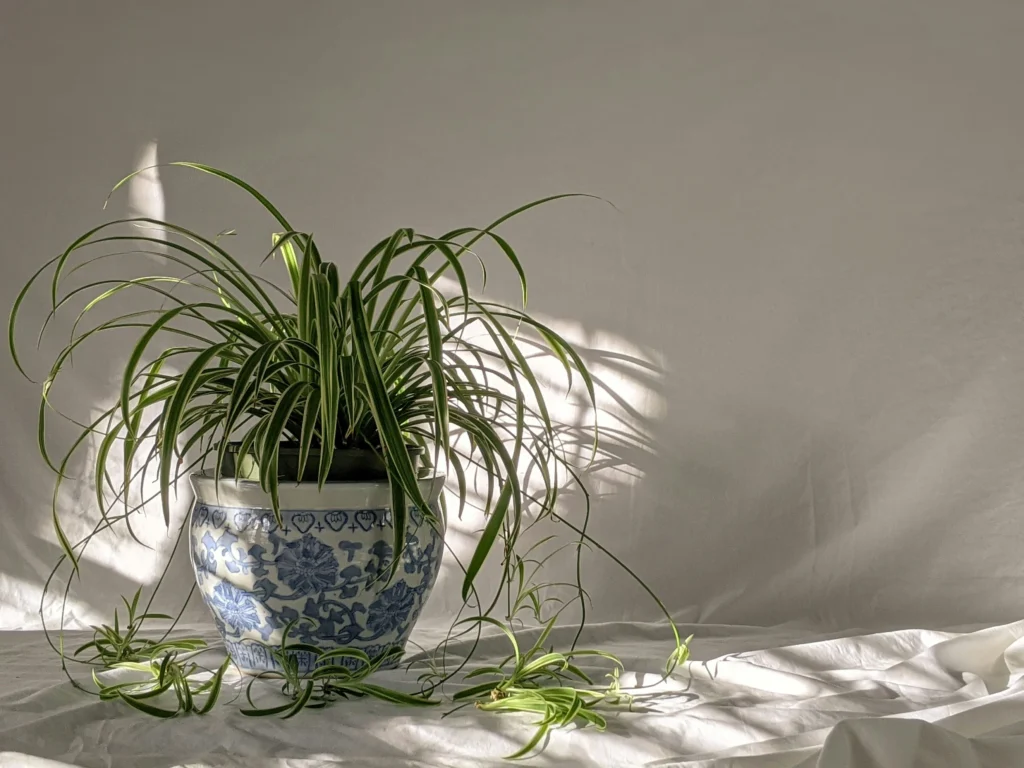
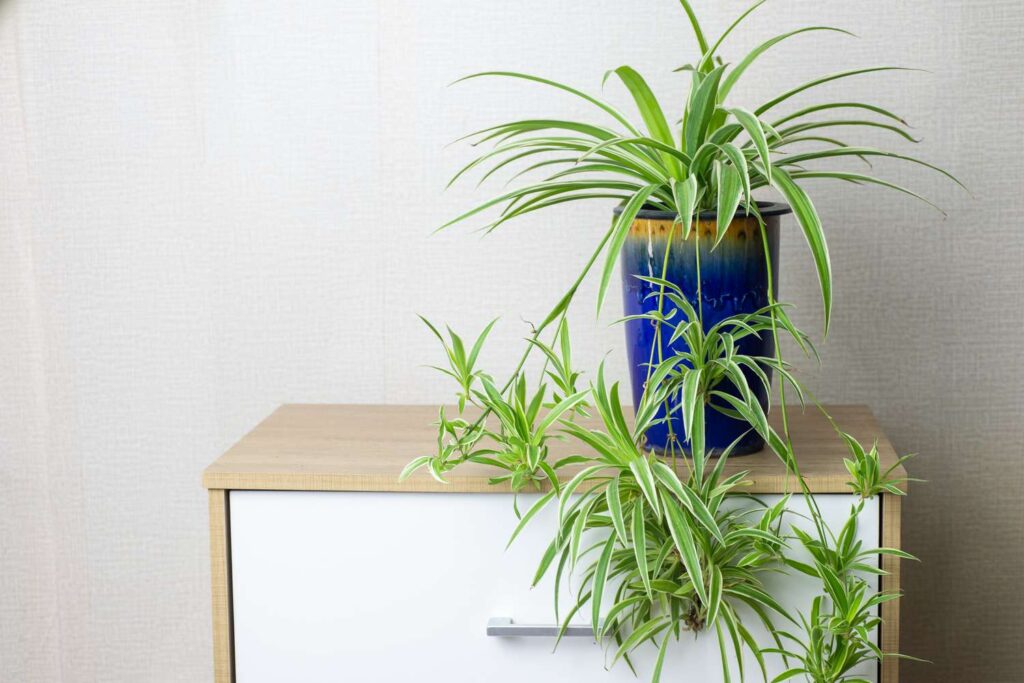
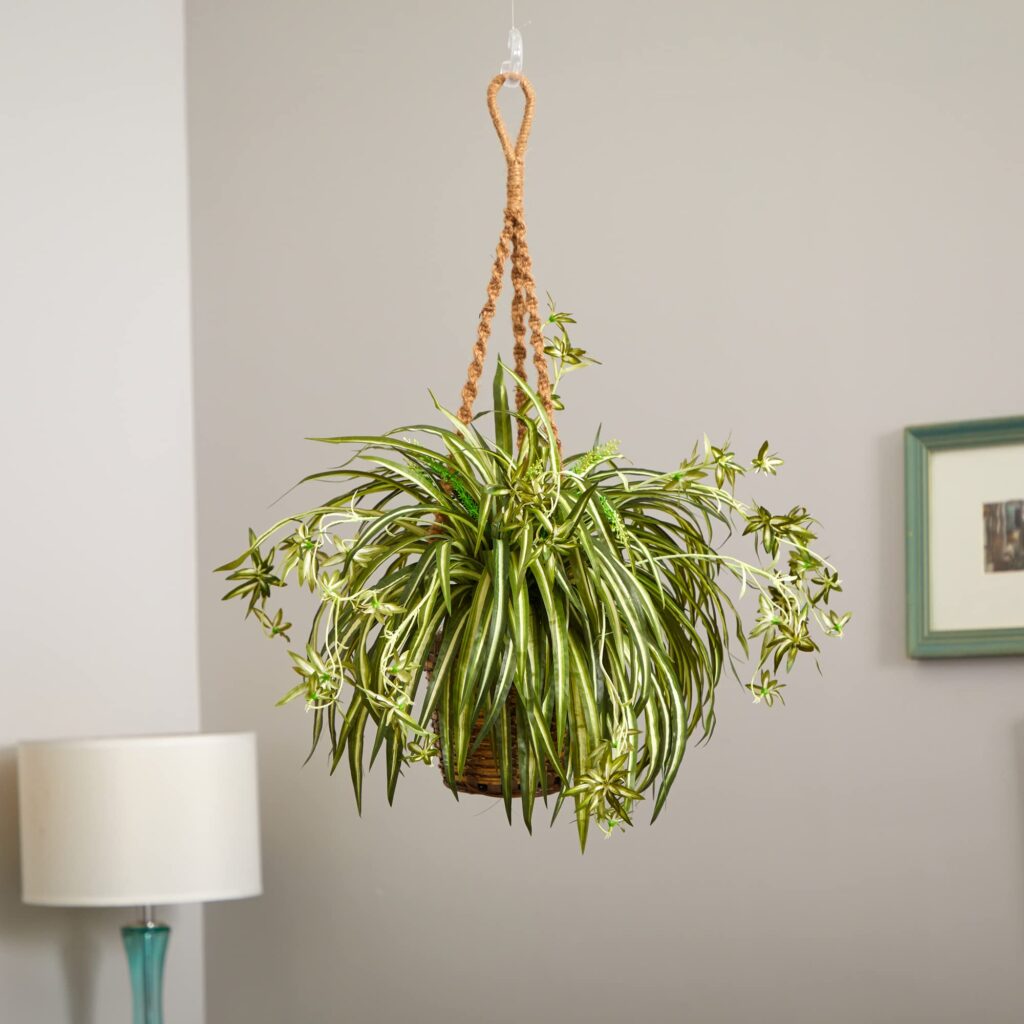
Spider plant – Avoids fluoride in tap water, safe with condensate.
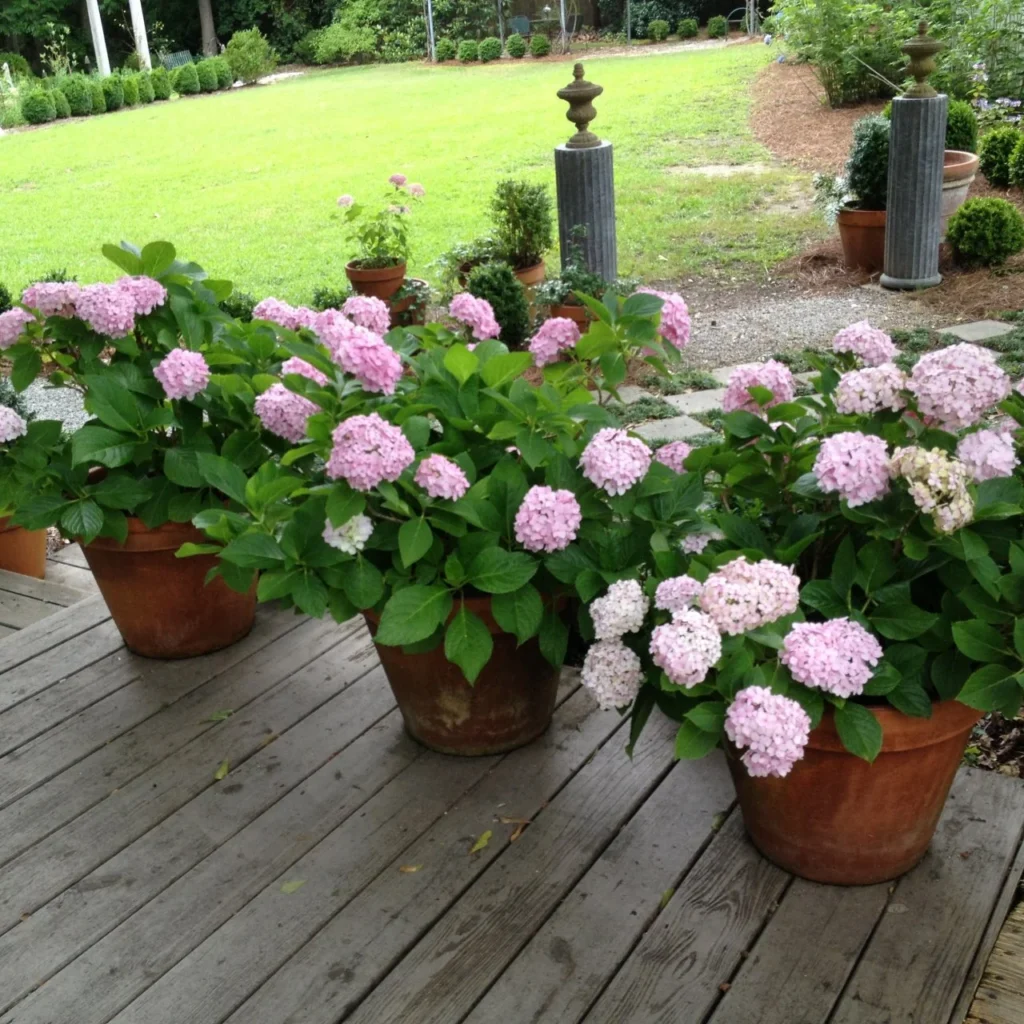
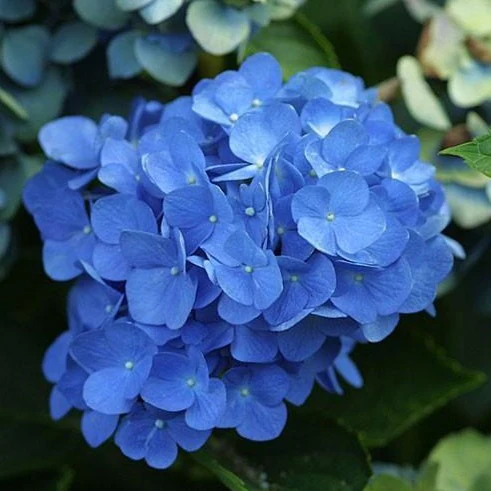
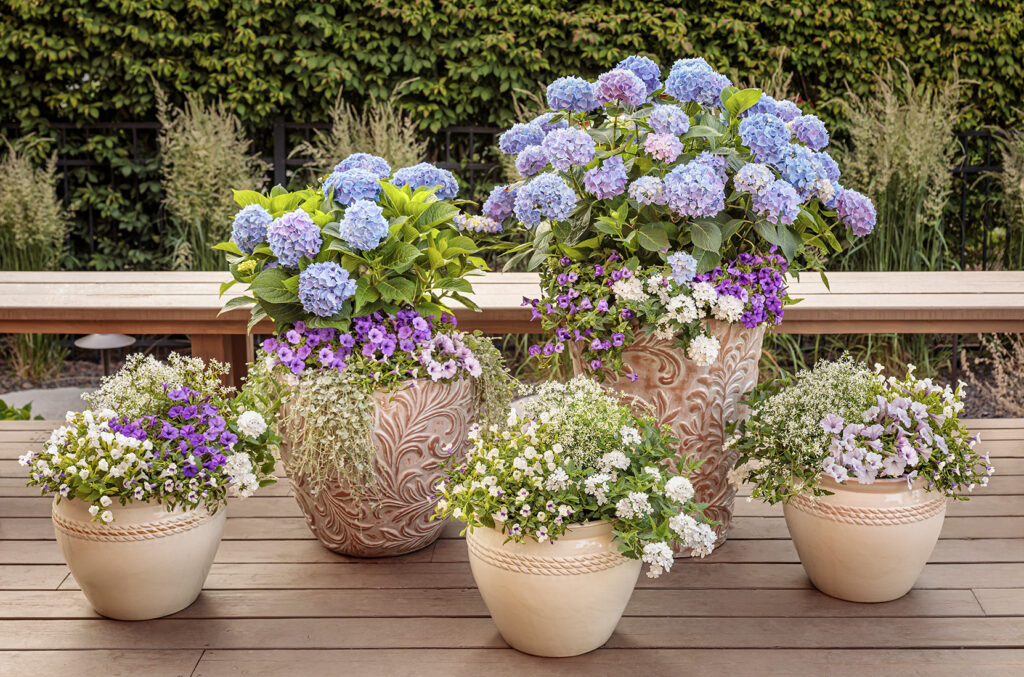
Hydrangea – Consistent moisture and slightly acidic water is preferred.
Seasonal Considerations
Condensate production depends on:
- Humidity – Higher humidity = more water
- AC runtime – More hours = more condensate
- Indoor temperature – Lower thermostat = longer cycles
On dry days, output may drop significantly. AC condensate reuse is best as a supplemental watering source, not the sole irrigation method.
Financial and Environmental Perspective
Even small water savings add up:
- 20 gallons/day × 100 cooling days = 2,000 gallons/year
- At $5 per 1,000 gallons, that’s about $10/year
The value is not monetary — it’s conservation and efficient reuse of a resource that would otherwise go to waste.
Balanced Conclusion
AC condensate reuse allows homeowners to:
- Water dozens of potted plants daily
- Avoid hard-water buildup in pots
- Repurpose clean, soft water
- Conserve municipal water
It’s a simple, practical way to make your air conditioner work a little harder for you — without affecting performance or reliability.
Air conditioners remove moisture from your home whether you use it or not. Capturing it turns waste into opportunity.
Premier Mechanical
www.ClaimYourComfort.com
720.207.6812