
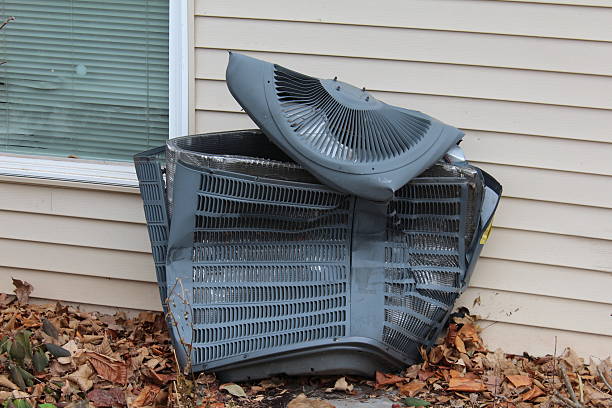
When to Replace Your AC: A Time-Horizon Perspective for Denver Homeowners
Deciding when to replace your air conditioner isn’t just about cost. It’s about how long you plan to stay in your home, your energy bills, and the risk of expensive repairs.
This guide takes a time-horizon perspective, using real-world assumptions, to help Denver homeowners make informed AC replacement decisions.
Why Time Horizon Matters
Air conditioners are capital investments, not disposable appliances.
- Typical lifespan: 15–20 years for well-maintained systems.
- Efficiency and reliability gradually degrade over time.
- Repairs and emergency costs rise as the system ages.
Thinking in terms of your time horizon helps you decide whether replacement now or later makes the most sense.
Understanding the Reliability Curve of Aging AC Systems
Most HVAC systems follow a predictable pattern:
| System Age | Likely Condition | Cost Implications |
|---|---|---|
| 0–5 years | Low failure risk | Routine maintenance only |
| 6–10 years | Gradual efficiency loss | Minor repairs may occur |
| 11–20 years | Higher repair frequency | Capacitor, contactor, or fan failures likely |
Key takeaway: Replacing your AC before the steep rise in repair risk can save you from high emergency costs and efficiency losses.
Time Horizon Scenarios
Short Stay (≤5 Years)
- Replacement mostly affects resale value.
- Central AC increases buyer pool and reduces objections.
- Energy savings alone may not justify the cost.
Example:
- Replacing a 12-year-old system: $7,000
- Expected resale recovery: $4,500–$7,000
The decision here is largely about marketability, not necessarily daily savings.
Medium Stay (5–10 Years)
- Energy efficiency gains become meaningful.
- Upgrading from a 12 SEER to a 16 SEER system can reduce cooling energy 25–40%.
- Repair avoidance is important: emergency calls typically cost $300–$1,500.
- Comfort benefits include stable indoor temperatures, controlled humidity, and quieter operation.
Financial framing:
- Energy savings: ~$250–$400/year
- Avoided repairs: $500–$1,000 over 5–10 years
- Cost of AC spread over 10 years: $7,000 ÷ 10 = $700/year
This scenario often justifies replacement before major failures occur.
Long Stay (10+ Years)
- AC becomes part of home infrastructure, not a discretionary appliance.
- Deferred replacement risks: emergency repairs, higher energy bills, and system failure during heat waves.
- Daily cost of the investment is surprisingly modest:
Example:
- $7,000 system ÷ 20-year lifespan ≈ $350/year
- Cost per day: $350 ÷ 365 ≈ $0.96/day
- Cost per cooling hour (Denver ~800 hours/year) ≈ $0.59/hour
Additional long-term benefits:
- Energy savings and reduced repairs over 15 years can reach $3,000–$4,000
- Lower risk of mid-summer system failure
- Increased home marketability if selling
How Repairs and Maintenance Factor In
Older systems often face:
- Capacitor and contactor failures ($150–$250 each)
- Refrigerant leaks ($500–$1,500)
- Blower motor and fan issues ($400–$800)
Replacing before these failures increase in probability keeps costs predictable and reduces stress.
Energy Efficiency Gains Are Real
Upgrading an old system can dramatically reduce energy use:
- Example: 10–12 SEER → 16 SEER system
- Cooling energy use drops ~25–40%
- At $0.15/kWh: $90–$150 saved per year
- Over 10 years: ~$900–$1,500 saved
- Combine this with repair avoidance for significant long-term ROI
Final Takeaway
Replacing your AC isn’t just a purchase — it’s a timed decision.
- Too early → mostly resale-focused
- Too late → costly emergency repairs, higher energy bills
By thinking in terms of time horizon, you can make a rational, math-driven choice that balances:
- Energy savings
- Repair avoidance
- Comfort and reliability
- Home value and marketability
AC replacement isn’t about luxury. It’s about predictable, reliable, and manageable living for the years that matter most.
Premier Mechanical
www.ClaimYourComfort.com
720.207.6812