
Spring AC Cleaning: What It Actually Saves Over 15 Years (DIY vs Contractor)
Spring is the one window each year where small maintenance steps have an outsized impact on air conditioning performance.
Not dramatic.
Not magical.
Just measurable.
This article walks through:
- What spring AC cleaning actually does
- Simple DIY steps most homeowners can handle
- Realistic energy savings over 15 years
- How much you save by not hiring a contractor every spring
No scare tactics. Just math.
Why Spring AC Cleaning Matters
An air conditioner is a heat-moving machine.
To do that efficiently, it needs:
- Unrestricted airflow
- Clean heat-transfer surfaces
Over winter and early spring, outdoor units collect:
- Dust
- Cottonwood
- Pollen
- Leaves
- Grass clippings
Indoor systems quietly accumulate:
- Filter debris
- Reduced airflow
None of this usually causes immediate failure.
It causes gradual efficiency loss.
What Gets Dirty — and What That Causes
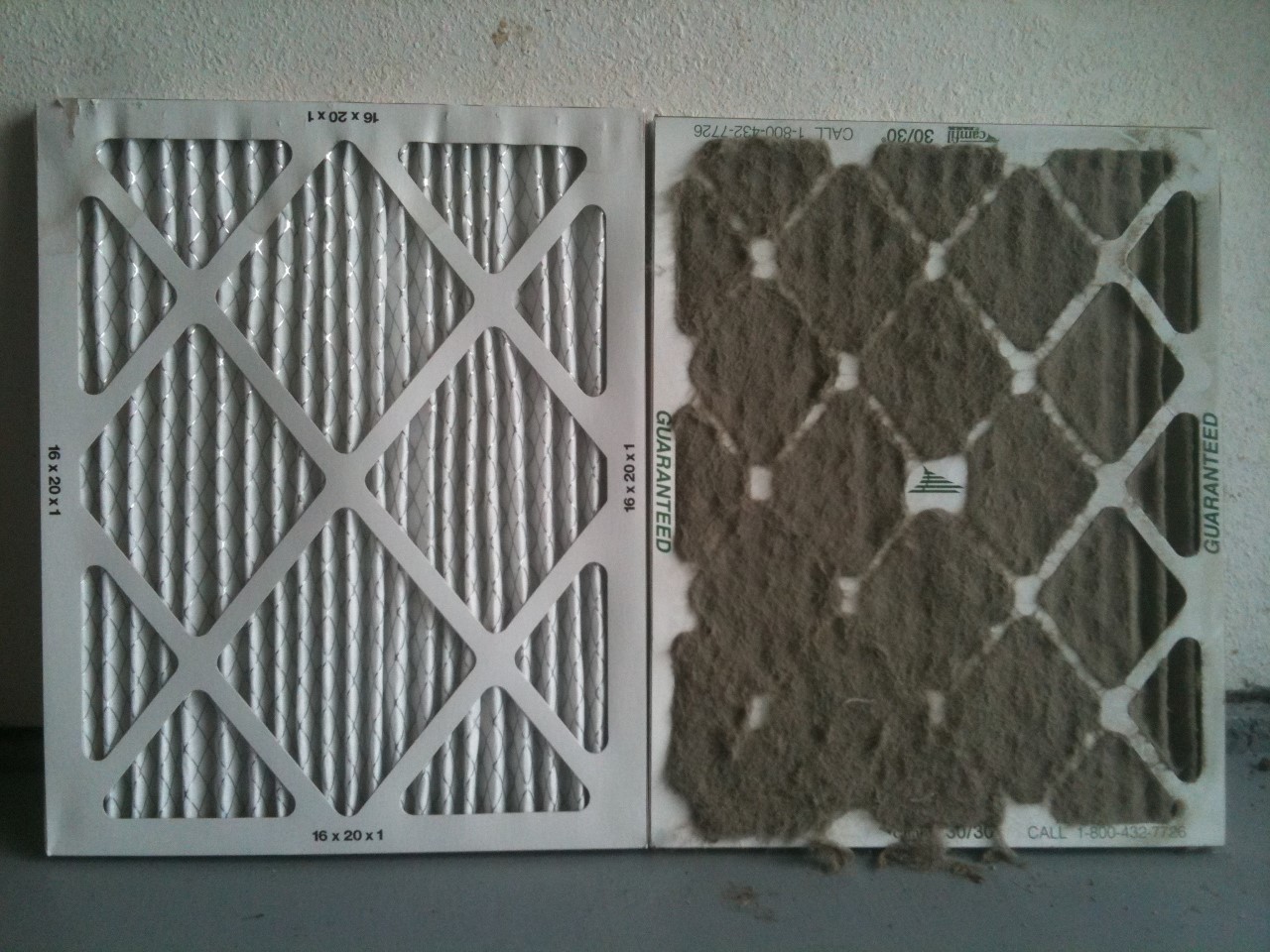
Dirty Air Filter
- Reduces airflow
- Lowers system capacity
- Extends runtime
Dirty Outdoor Condenser Coil
- Reduces heat rejection
- Increases compressor workload
- Raises operating pressure
The key point:
Most of the energy penalty comes from longer runtime, not dramatic power spikes.
Reasonable Efficiency Loss (Realistic Range)
In maintained residential systems, typical seasonal efficiency degradation from dirt is:
5%–15%
That range reflects:
- Reduced airflow
- Reduced coil heat transfer
- Increased compressor lift
Severe neglect can exceed this — but that’s not the norm.
DIY Spring AC Cleaning Steps (Homeowner Level)

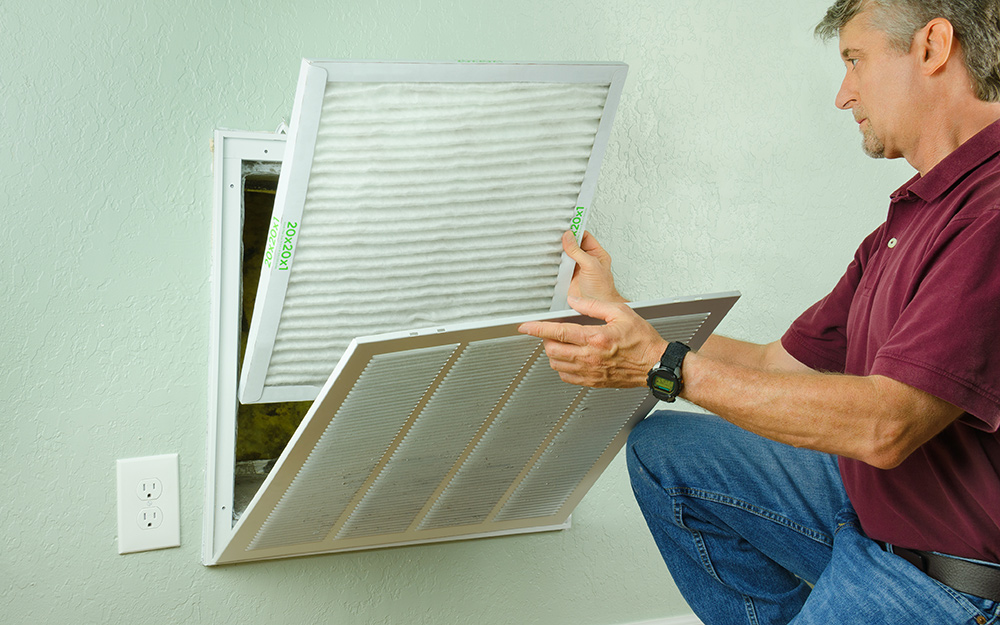

These steps are safe, inexpensive, and effective.
Step 1: Replace the Air Filter
- Use a basic filter (MERV 5–8)
- Cost: ~$10
- Frequency: once in spring, once mid-summer if needed
More airflow is better than over-filtering.
Step 2: Clear the Outdoor Unit
- Remove leaves and debris around the base
- Maintain ~18 inches of clearance
Step 3: Rinse the Condenser Coil
- Power off unit
- Use a garden hose (no pressure washer)
- Spray from top down
Optional:
- Light brushing for stuck debris
This restores heat transfer without chemicals.
Step 4: Check the Condensate Drain
- Verify it’s flowing freely
- Flush with water if accessible
That’s it.
No gauges.
No refrigerant.
No special tools.
What Does This Save in Energy?
Assume a typical 3-ton system in a climate like Denver:
- Seasonal cooling energy: ~2,000 kWh
- Electric rate: $0.15/kWh
If Efficiency Drops 5%
- Extra energy: ~100 kWh/year
- Extra cost: $15/year
If Efficiency Drops 10%
- Extra energy: ~200 kWh/year
- Extra cost: $30/year
If Efficiency Drops 15%
- Extra energy: ~300 kWh/year
- Extra cost: $45/year
These numbers are modest — but consistent.
Energy Cost Over 15 Years
| Efficiency Loss | Extra Annual Cost | 15-Year Cost |
|---|---|---|
| 5% | ~$15 | ~$225 |
| 10% | ~$30 | ~$450 |
| 15% | ~$45 | ~$675 |
DIY vs Hiring a Contractor: What’s the 15-Year Cost Difference?
Most HVAC companies offer spring AC maintenance visits.
Typical cost in Denver:
$150–$250 per visit
We’ll use $200 per year as a realistic midpoint.
What Does a Contractor Typically Do?
A standard spring maintenance visit usually includes:
- Replace or check air filter
- Rinse outdoor condenser
- Inspect electrical components
- Check refrigerant pressures
- Verify condensate drain
- Test operation
These are valuable services — especially if you’re not comfortable working around equipment.
But from a purely financial standpoint, let’s run the math.
15-Year Cost: Hiring a Contractor Every Spring
$200 per year × 15 years =
$3,000
That’s assuming pricing doesn’t increase.
If service pricing rises even 3% annually, the 15-year cost moves closer to:
$3,500–$3,800
15-Year Cost: DIY Maintenance
DIY expenses are minimal:
- Air filter: ~$10/year
- Occasional replacement hose nozzle or brush: negligible
- Total annual cost: ~$15
$15 per year × 15 years =
$225
Direct DIY Savings Over 15 Years
Contractor route: ~$3,000
DIY route: ~$225
Total Savings: ~$2,775
Even using conservative numbers.
Add Reduced Repair Risk
A dirty system increases:
- Compressor strain
- Contactor wear
- Capacitor stress
- Blower motor load
Major repair example:
- Capacitor replacement: $150–$250
- Contactor: $150–$200
- Compressor: $2,000+
If regular cleaning reduces the likelihood of just one moderate repair event over 15 years:
Conservative avoided repair value:
$500
Total 15-Year DIY Advantage
| Category | Estimated Savings |
|---|---|
| Skipping annual contractor visits | ~$2,775 |
| Energy efficiency maintained | ~$450 |
| Reduced repair likelihood | ~$500 |
| Total Potential Savings | ~$3,700 |
What This Really Means
Over 15 years:
Learning basic spring AC maintenance can conservatively save:
$3,000–$4,000
That’s not from cutting corners.
It’s from:
- Doing simple, safe tasks yourself
- Keeping coils clean
- Maintaining airflow
- Reducing unnecessary service visits
Important Reality Check
DIY maintenance does not replace:
- Refrigerant repairs
- Electrical diagnostics
- System replacements
But for:
- Filter changes
- Coil rinsing
- Debris clearing
- Drain checks
Most homeowners can handle it confidently.
Premier Mechanical
www.claimyourcomfort.com
720.207.6812